5 AM Magic Theory
I am currently standing in line at 5 AM at an airport Starbucks on 0 hours of sleep because I had the really cool thought 4 hours ago: “Well, I may as well just stay up through it if I’m only going to get two hours of sleep.” What better to do than spew unasked-for Magic theory while my brain can’t think good. I also don’t know how to deal with formatting on mobile, sorry!
The Rule of Four
The number of a card without the basic subtype or name Plague Rat you can run is 4—unless it's 1, but we decided that one, not the rulebook.
People have a lot of ways to quantify why they run a specific amount of a card. Playing a Burn deck? You are playing 4 Lightning Bolts. Control? You have 4 Swords and counters. We typically accept these answers to be infallible truths.
The Purpose of the Thought Experiment
First, I want to explain the purpose of this thought experiment. My thought is that we occasionally run 4-ofs for the arbitrary reason that is “we can.” If we can identify and analyze what cards we would not want a 5th of, we can reexamine the previous infallible truth of four being correct.
So moving forward, and to properly assess a card, we must assume a few basic things. For one, the card we are considering is the only card you are able to run more than your allotted 4-of. If we don’t restrict to one subject at a time, it warps the field we are actually trying to learn about. Of course, if we can have 8 Mishra’s Workshops, we also want 10 Triskelions. It doesn’t help us understand our choices any better.
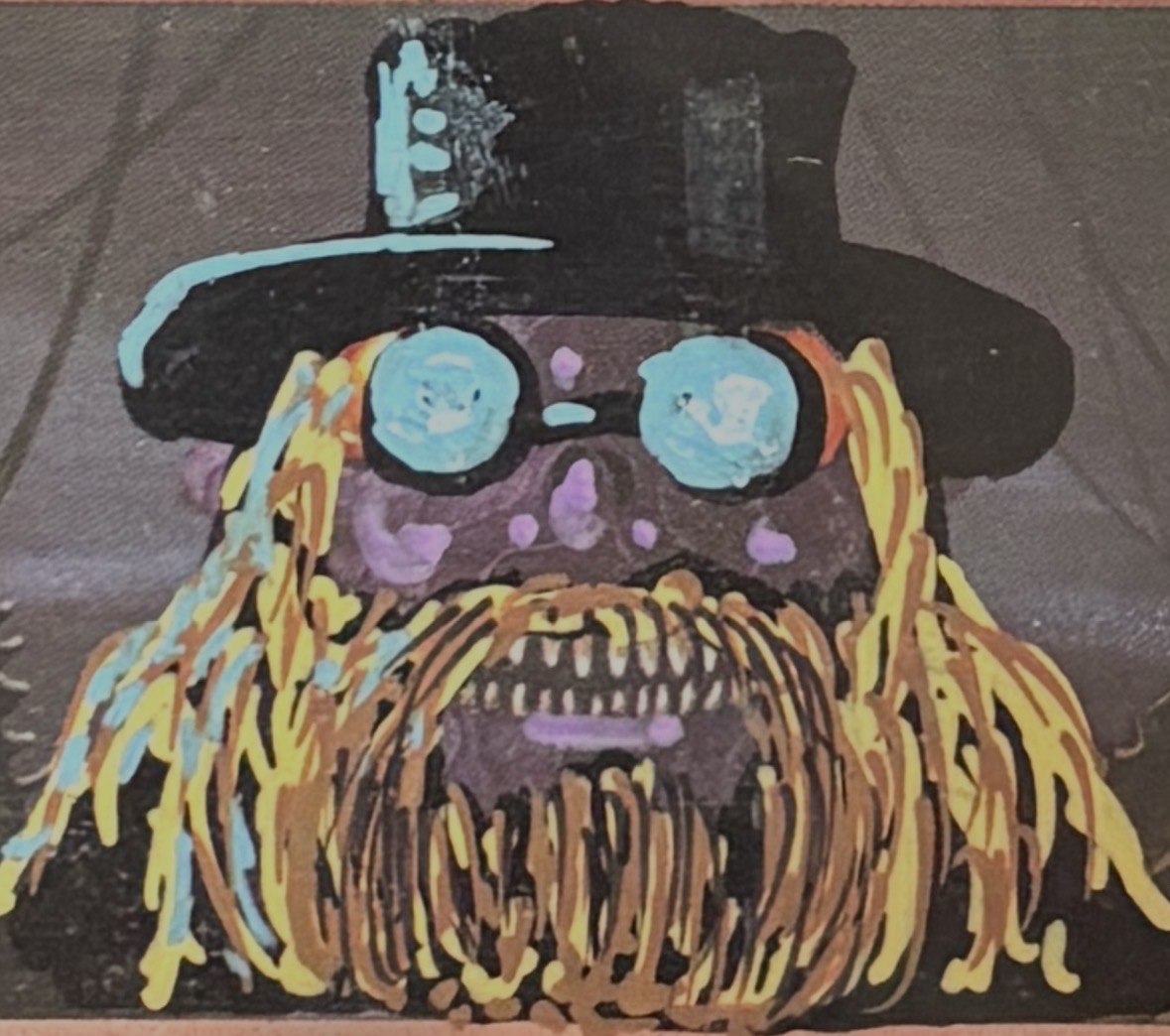
Diminishing Returns: The Atog Example
A little background on this is my experience with Atog decks. 4 feels pretty good for Atog. You usually want one, frequently want two, and rarely want three (at least at the same time). Their benefit into cards not named Swords to Plowshares reduces dramatically based on how much you utilized its ability to eat artifacts with previously played copies.
The worst thing in an opener or off of a Wheel is having two or three copies sitting in hand fighting over the same food, relatively mediocre without it. Obviously, you can make opponents make difficult decisions by attacking with two, but your deck only has 14 or so artifacts in it, and your Factories.
Testing the Maximum
My thought is that if I could run an unlimited number of Atogs, I would not increase the number beyond 4. We default to 4 because the deck is Atog after all; why wouldn’t we max out the namesake? Well, to let you in on a little secret: I have been testing 3. It’s obviously matchup dependent, but 3 has felt really good in the “not clogging” department. I’m not claiming 3 is correct; I think it is likely that 4 just happens to be the correct number for Atogs in an Atog deck, as it errs toward the side of having it more consistently.
Conclusion
Atog is only the most recent example I felt worth exploring with this methodology. It is the fact that you know you wouldn’t want 20 that makes it interesting. You would likely want 20 Lightning Bolts in some decks if you could have them. You would totally play 12 or maybe 16 Savannah Lions if your opponent would not complain. A lot of decks would love Swords 5 and 6. What other “4-ofs” do we accept as infallible truths that might be worth considering at lower numbers?


No comments:
Post a Comment